
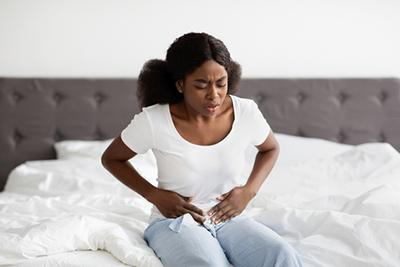
Menstrual health is a significant indicator of your well-being, yet many women endure debilitating cramps under the assumption that they are a normal part of life. At NFMDPA Obstetrics and Gynecology Practice in Fort Worth, TX, Noushin A. Firouzbakht, M.D., and Nurse Practitioner, Margaret (Maggie) Krenek, evaluate the causes of menstrual distress. When cramping interferes with your ability to work, attend school, or enjoy daily living, it often signals an issue that requires clinical attention.
The Role of Prostaglandins in Menstrual Cramps
Primary dysmenorrhea, the medical term for common painful periods, is driven by the production of prostaglandins in the lining of the uterus. These hormone-like substances cause the uterine muscles to contract and shed the lining. High levels of prostaglandins lead to more intense contractions, which can restrict blood flow to the muscle tissue and trigger sharp or throbbing pain. In Fort Worth, TX, our providers find that balancing these chemical signals through lifestyle changes or anti-inflammatory measures can significantly reduce the severity of monthly discomfort.
Estrogen Dominance and Heavy Bleeding
Hormonal imbalances, specifically the ratio between estrogen and progesterone, play a major role in how the uterus behaves during a cycle. Estrogen is responsible for thickening the uterine lining; when it remains unopposed by sufficient progesterone, the lining becomes excessively thick. This condition, often called estrogen dominance, results in heavier bleeding and more forceful contractions to expel the tissue. This hormonal tug-of-war is a frequent cause of painful periods for patients in the Fort Worth area, particularly during the transition into perimenopause or for those dealing with polycystic ovary syndrome (PCOS).
Secondary Causes of Pelvic Discomfort
Sometimes, the pain is not just a result of chemical signaling but is tied to structural changes within the pelvic cavity. Conditions such as endometriosis, where uterine-like tissue grows outside the womb, or uterine fibroids can cause intense pressure and chronic aching. These issues often make the period pain last longer than a few days and may cause discomfort throughout the entire month. A thorough pelvic exam and diagnostic imaging allow the medical team to see if these physical factors are contributing to your symptoms.
Regulating the Cycle for Symptom Relief
Restoring hormonal harmony is often the most effective way to manage a difficult cycle. Depending on the diagnosis, the providers might recommend hormonal regulators like oral contraceptives or progestin-releasing devices to thin the uterine lining and decrease prostaglandin production. Additionally, identifying nutritional deficiencies or high-stress levels that disrupt the endocrine system helps create a more stable internal environment. By stabilizing these fluctuations, women can find lasting relief from the physical burden of their cycles.
Start Feeling Better by Seeing Your OBGYN
You do not have to manage your reproductive health in silence. Through expert diagnostics and compassionate gynecological care, Noushin A. Firouzbakht, M.D., and Margaret (Maggie) Krenek, Nurse Practitioner, can help you overcome painful periods at NFMDPA Obstetrics and Gynecology Practice. Schedule an appointment by calling (817) 878-2667.